Exploring the cultural significance of casinos in global societies
The Historical Roots of Casinos
Casinos have a rich history that dates back centuries, evolving from simple gaming houses to luxurious establishments. In ancient civilizations, gambling was often intertwined with religious practices, where games of chance served as rituals to appease gods or predict outcomes. As societies progressed, these venues transformed into social hubs, attracting diverse groups of people seeking entertainment and excitement, particularly at a casino that accept credit cards.
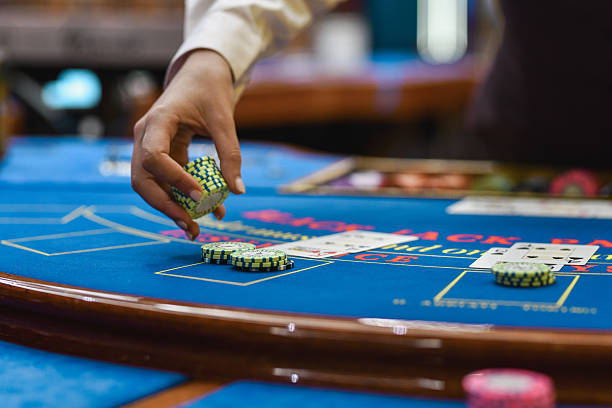
Throughout history, casinos have reflected the cultural values of their respective societies. For instance, in the Venetian Republic during the 17th century, gambling was not only a leisure activity but also a display of wealth and status. This blend of social interaction and economic implications has made casinos significant landmarks in many cultures, often symbolizing both fortune and folly.
The Role of Casinos in Modern Society
In today’s world, casinos serve more than just a venue for gambling; they have become integral parts of the entertainment landscape. Offering a range of activities—from shows and fine dining to shopping—casinos attract millions of visitors each year, contributing significantly to local economies. They create jobs, promote tourism, and help support various community initiatives, reinforcing their importance in modern society.
Moreover, casinos often act as cultural melting pots, where people from different backgrounds come together. This convergence fosters a unique social environment that can lead to cross-cultural exchanges and shared experiences, making casinos vibrant spaces that reflect contemporary societal dynamics.
The Psychological Appeal of Gambling
The psychology of gambling plays a crucial role in the cultural significance of casinos. For many, the thrill of taking risks and the potential for reward evoke strong emotional responses. Casinos capitalize on this psychology by designing environments that stimulate excitement and anticipation, using elements like bright lights, sounds, and the thrill of chance to engage players.
Additionally, gambling can serve as an escape from daily life for many individuals. The allure of casinos often lies in their ability to transport players into a different reality, where the pressures of life fade away. This psychological aspect underscores the importance of casinos not only as entertainment venues but also as spaces for emotional and social engagement.
Cultural Perceptions of Gambling
Cultural attitudes towards gambling vary widely across the globe. In some societies, gambling is viewed as a legitimate form of entertainment, celebrated for its social aspects. In contrast, other cultures may perceive it as a vice, associated with addiction and moral degradation. These differing perceptions shape the regulations surrounding casinos and influence their operations and offerings.
As globalization continues to influence cultural exchanges, attitudes toward gambling are evolving. Many regions are re-evaluating their stances on casinos, considering the potential economic benefits alongside the social implications. This ongoing dialogue highlights the dynamic relationship between casinos and cultural values, reflecting broader societal changes.

Conclusion and Resources
Understanding the cultural significance of casinos provides valuable insights into their role in global societies. They are not merely places for gambling but are multifaceted institutions that embody social, economic, and psychological dimensions. As such, casinos continue to be a focal point of cultural discussion, influencing perceptions and experiences across different communities.
For those interested in exploring more about casinos, their offerings, and the psychology behind gambling, numerous resources are available. Engaging with these materials can deepen one’s understanding of how casinos shape and reflect cultural narratives worldwide.